How to Fix Oversalted Soup Without Potato in Minutes?
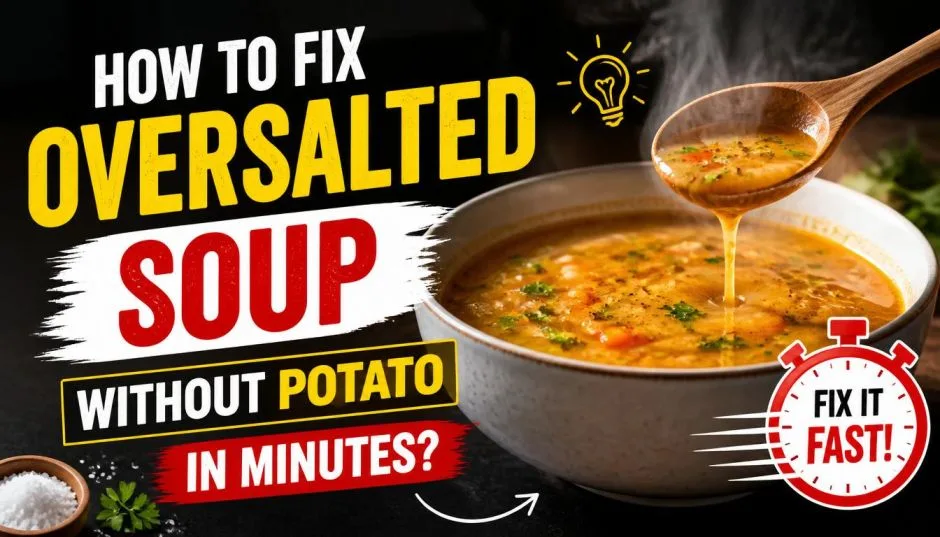
You're in the middle of cooking. You taste your soup, and your face just falls. It is way too salty.
That happens to us all at some point. The question is: how to fix oversalted soup without potato? Many guides tell you to throw in a raw potato. They say it will soak up the extra salt like a sponge. It sounds like a great fix.
It really does. But here is the truth. The potato trick is a myth. It does not work. It will absorb some liquid. It will not absorb salt in any meaningful way. You will just have a salty soup with a bland, overcooked potato in it.
If you are asking, "My bean soup is too salty what can I do?" you need real, practical answers. You do not need kitchen myths. You need strategies that actually work right now.
So, put down that potato. We are going to talk about real fixes. These are methods that actually work. They use basic kitchen science. They will save your dinner.
The Potato Myth: Why It Doesn't Work for Salt?

Let's be clear about the potato method. It is one of the most common pieces of advice. You will see it everywhere. The idea is simple. The potato acts like a sponge. It pulls the salt right out of the broth. That makes sense on the surface. But it is not how salt works in a liquid.
Read Also: Switching From Air Fryers to Precision Steam Ovens Combi
Salt dissolves. It dissolves completely. It becomes part of the liquid. It turns into ions floating in the water. Think about it this way. You cannot drop a sponge into seawater and pull just the salt out.
You will pull some of the water. You will leave the salt behind. A potato works the same way. It absorbs water. It does not absorb salt. It might reduce the volume of the liquid. That is a different problem.
Here is another way to test this. Boil some salty water. Drop a potato in. Cook it for a while. Taste the potato. It will taste salty. It absorbed the salty water. But the water left in the pot? It is still salty. It is just a little less full. Your soup is now slightly more concentrated because you lost water. You actually made the problem a little worse.
This is something I learned by just being in the kitchen. You read about the potato trick. You see it in a "life hack" video. You try it in a panic. It does not work. You are left with the same issue. You also now have a sad, salty potato to deal with. That is just extra stress. It is time to use better methods.
The Science of Salt: Why Dilution is Your Real Friend?
If we are not using potatoes, what is the answer? It is dilution. It is the most basic science. Salt wants to balance out.
Imagine dropping a tea bag into a cup of hot water. The color spreads. It keeps spreading until the water is all the same shade of brown. That is diffusion. Salt does the same thing. It will spread out from where there is a lot of it to where there is less. It will keep doing that until the whole pot is the same.
You lowered the salt content in the whole pot. How? You are just adding more of something that does not have any salt in it. You are adding more space for the salt to spread into.
You are not removing the salt. You are making it less noticeable. You are dropping the concentration down to a normal level. This is the most reliable way to fix an oversalted soup. It is the only method that treats the whole pot. It fixes the whole problem.
The Classic Fix: Dilution with More Liquid
This is always the first thing to think about. It is the most honest answer to "how to fix oversalted soup." You just add more unsalted liquid. It is also the easiest way to fix an oversalted soup.
It is often the most practical as well. Let us say you are making a broth-based soup. You can add water. That might not be the best idea, though. It will make the flavor weaker. You can add a good unsalted stock. That keeps the flavor rich.
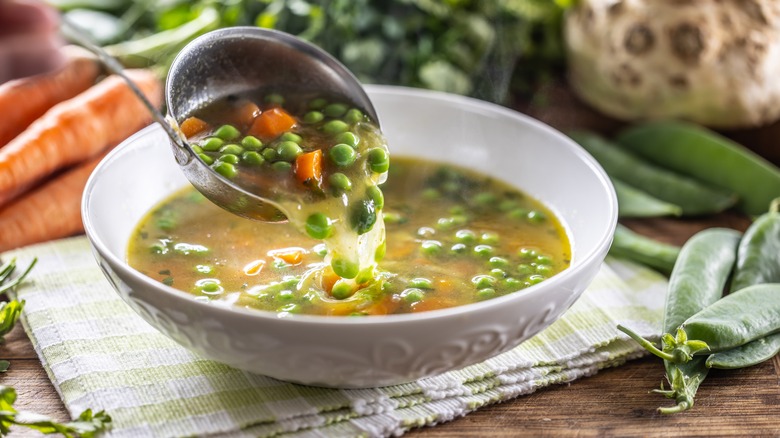
If you are making a cream-based soup, use milk or cream. You can also use a bit of yogurt. For a tomato-based soup, use water or a can of unsalted tomatoes. You can even crush them by hand. It adds more volume and fixes the salt.
Using Liquid Wisely: The "Add and Taste" Method
Do not just dump a whole cup of water in. You must taste as you go. Add one-half cup at a time. Stir it in and wait a minute. Taste it again.
You Must Also Like: How Long Does Food Poisoning Last in Adults?
You might not need as much as you think. Sometimes, one cup is enough. Other times, you might need two or three. It just depends on how salty it is. It depends on how much soup you have.
This is part of the learning process. You learn to measure salt better next time. You also learn the art of fixing mistakes. It is a valuable skill in any kitchen. You need to know how to fix oversalted soup without potato. Liquid dilution is your first step.
Adding Bulk: The "More Stuff" Approach
You might not want to add a lot of liquid. That is a valid concern. Your soup might be the perfect thickness. Adding too much liquid will ruin the texture. There is another way. You can add more solid ingredients.
This means you are adding more things that are not salty. This is another form of dilution. You are fixing the issue by adding volume. It is a great option for many kinds of soup.
If you have a "my bean soup is too salty what can I do?" question, this is perfect. You can just add more unsalted beans. You can also add more vegetables. You can add meat. It builds out the soup more.
What Can I Add?
This is where you can get creative. It depends on what you have on hand. It depends on what kind of soup you are making.
-
For Bean Soups: Add another can of unsalted beans. You can also add a can of unsalted corn. Diced celery or carrots are great, too.
-
For Meat and Vegetable Soups: Add more vegetables. Potatoes are fine here, just not for "soaking." They are just more food. Add some cooked rice. Pasta is another great option. You can even add a handful of lentils.
-
For Creamy Soups: Add more of the main ingredient. For a broccoli soup, add more steamed broccoli. For a mushroom soup, add some sautéed mushrooms. It adds bulk without making it watery.
The "Rescue" Base: A Pro Trick
You can keep a "rescue base" in your freezer. This is a great idea. It has helped me many times. I keep a container of unsalted vegetable scraps. I put in onion ends, carrot peels, and celery leaves. I even add the woody ends of asparagus.
When a soup is oversalted, I take out the container. I start to sauté the scraps in a different pot. I add some water or stock. I simmer it for 20 minutes. I let it cool a bit. Then I blend it up.
I add this puree to my oversalted soup. It adds body. It adds flavor. It adds volume. It does not add any salt. It is a powerful way to fix the problem. It also adds tons of nutrients.
A Secret Weapon: Acid and Sweetness
This is an "enhancement." It does not lower the salt amount. It changes how you taste the salt. Salt, acid, and sweet are a powerful trio. They work together. They can cancel each other out.
Adding acid or sweetness can trick your palate. The saltiness becomes less harsh. It tastes more balanced. It is a great trick for the final moments of cooking.
Acid: The Great Balancer
Lemon juice is a classic choice. So is lime juice. Even a splash of vinegar can work. It adds a bright, sharp flavor. It cuts right through the salt. It makes the soup taste fresher. You feel less of that overpowering saltiness.
Use a light touch. Start with a teaspoon. Stir it in. Wait a minute. Then taste it. You can always add more. You cannot take it away. A little acid can wake up a whole pot of soup.
The Sweetener Solution
A tiny amount of sugar can also help. A pinch of brown sugar. A drizzle of maple syrup. A little bit of honey. You are not trying to make the soup sweet. You are just using it to round out the salt. This works especially well for spicy soups. It also works for soups with a tomato base.
The Art of Temperature: Serving It Cold?
This is a different approach. You might ask, "What can I do if my soup is too salty?" You could serve it cold. Salt is perceived differently at different temperatures.
Think about a cold soup like gazpacho. It has a lot of salt. But it tastes refreshing. If you made it hot, it would taste too salty. Cold temperatures can dull your sense of taste. That salty sting is less noticeable when it is cold. This is a very simple solution.
Cooling It Down
You can put the whole pot in the fridge. Let it chill completely. Then serve it as a chilled soup. You can even puree it. This is a great way to serve a soup. It creates a new meal.
If you do not want cold soup, just cool one bowl. Take a single serving. Put it in the freezer for a few minutes. It does not need to freeze solid. Just get it very cold. Taste it. You might find it tastes less salty. This can be a great lesson. It teaches you about temperature and flavor. It gives you an easy trick for your next meal.
Grains Are the Real MVP: They Save the Day
We are talking about how to fix oversalted soup without potato. Grains are the real answer. They do not have a lot of salt. They do not need to be cooked perfectly. They are a total team player.
Rice: The Small But Mighty Hero
Rice is a great choice. There are a few ways to do it. You can cook a small amount of rice separately. Cook it in plain water. Then add the cooked rice to your soup. The rice will absorb some of the liquid. The rice will take on the salty flavor. It helps to stretch the dish. It also makes your soup more filling.
Pasta and Barley: Other Great Options
You can do the same thing with pasta. Cook it in a separate pot. Cook it plain. Then add it to the soup. It will soak up a lot of the salty broth.
Barley is a good option. It is very absorbent. It is also very healthy. It gives the soup a nice chew. It absorbs salt and adds good texture. It is a smart choice. It solves the problem without making it worse.
The Toastie Trick
This one is a little different. You can place a slice of toast in your bowl. Pour the hot salty soup over it. The bread will absorb a lot of the liquid. It will get soft and salty. You will get some of the salt out of the soup. It is not a full solution. It does help each bowl. It is also quite tasty to eat.
A Strategic Approach for Your Next Soup
Salt is all about control. It is easier to add more later than to take it out. This is the golden rule. It solves the problem before it even starts.
When making a soup, the stock and the beans are tricky. A single can of beans can have a lot of salt. That can throw off the whole pot. It is better to use unsalted stock. It is also better to use low-sodium beans. This is the easiest way. It controls the salt from the start.
If you must use regular stock or beans, be careful. Taste them before you add them. You will know what you are working with. You can plan how much extra salt to add. It might be much less than you think. It might be none at all.
Tasting As You Go
This is not just for beginners. This is for everyone. Every great chef tastes their food. You need to taste it at every stage. You need to see how the flavor is changing. The salt will change as the liquid reduces. You need to be aware of that.
Taste the stock. Taste the soup when the veggies go in. Taste it again when you add the beans. Then taste it right before you serve it. You will catch a mistake early. That is much easier than fixing it at the end.
When to Call It Quits: A New Mealtime Plan
Sometimes, it is just too far gone. It might be beyond repair. It might be too thick. The salt might have been too high. It is okay to call it a loss. It happens to us all. It is part of learning.
But that does not mean you need to throw it out. You can turn it into something else. It does not have to be a waste of food.
Just Repurpose It
-
A Savory Sauce: You can turn it into a pasta sauce. You can use it as a gravy. You can pour it over rice. You can even use it as a sauce for a casserole.
-
A Soup Base: Use a little of the oversalted soup. Mix it into a new, unsalted base. You can add more unsalted stock and more vegetables. This stretches it out even further. It also fixes the salt issue.
-
The "All-In-One" Meal: You could add a lot of rice. You could also add a lot of pasta. Let it absorb the liquid. It will become a delicious stew. It will fix the salt problem.
-
A Savory Bread Dipper: If you are a baker, it makes a great bread dip. You can even use it as a base for a stuffing mix.
Planning Your Next Steps
Here is a more professional approach. It is not just about this one meal. It is about learning for the next one. Every time you fix a mistake, you learn something. You learn what to do differently.
You will start to see patterns. You will see how different ingredients act. You will learn how salt interacts with them. It is all part of the process. It makes you a better, more confident cook.
Tips to Avoid the Problem
-
Salt Late: Always salt your soup near the end. The liquid will reduce as it cooks. It will get more concentrated. The salt will get stronger. If you add it early, it can become too much.
-
Use Unsalted Broth: This is the most important tip. You can always add salt. You cannot take it away.
-
Read Labels: Read the sodium content on your canned goods. It can be surprisingly high. You might be adding a lot of salt without knowing it.
Conclusion
You now know a simple truth. The best way to fix oversalted soup is not with a potato. It is with a solid grasp of kitchen science. It is about dilution and smart cooking. It is about using ingredients that add bulk and balance.
The next time you taste a soup and it is too salty, you will know what to do. You will not panic. You will not look for a potato. You will know the best fix. You will know about liquid, acid, and bulk. You will know that it is not a failure. It is just a chance to learn.
Cooking is not about being perfect. It is about learning and growing. It is about saving your food. It is about being a smart cook. Your confidence will grow. Your soups will keep getting better. You will always have a solution for a salty dinner.
Frequently Asked Questions
Q1: Can I really use a potato to fix oversalted soup?
No, the potato trick is largely a myth. A raw potato will absorb some liquid but not the salt itself. You will just have a salty potato and a pot of soup that is still too salty.
Q2: What is the quickest way to fix oversalted soup?
The quickest and most reliable way is dilution. Add a small amount of unsalted liquid, like water, milk, or stock, and stir. Taste and repeat until the flavor is balanced.
Q3: If my bean soup is too salty, what can I add to it?
You can add more unsalted beans, vegetables, or cooked grains like rice or barley. This dilutes the soup without making it watery.