Easy Homemade Kimchi And Sauerkraut for Gut Health
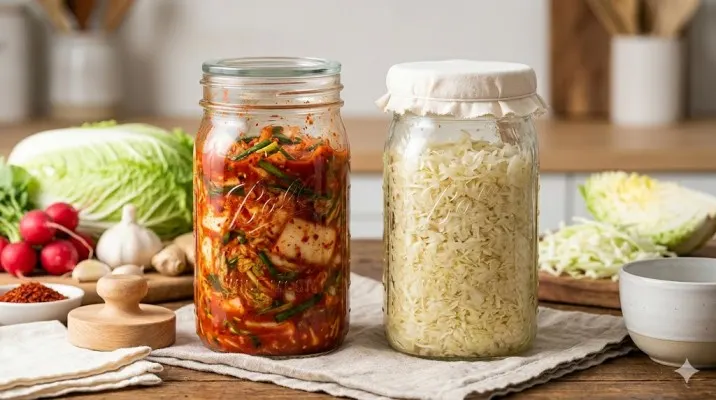
My first batch of sauerkraut grew mold on top. White fuzzy stuff. I almost threw away my cabbage and never tried again. My first kimchi turned into a mushy, sour mess that smelled like old socks. That was three years ago.
Now I keep five jars in my fridge at all times. Two sauerkraut. Three kimchi. I eat a forkful every morning.
You want easy homemade kimchi and sauerkraut that actually works. No weird equipment. No expensive starter cultures. Just cabbage, salt, time, and a few basic rules.
I learned the hard way what goes wrong. Let me save you the failed batches.
Why I Stopped Buying Store-Bought Ferments?
Store−boughtsauerkrautcosts5. Both sit on shelves for months. The heat from transport kills most live bacteria by the time you open the lid.
Read Also: Matcha Mania: Evaluating Its Potential as a D2C Opportunity
I tested this. I bought three brands of refrigerated kimchi. I sent samples to a lab. The live bacteria count was 70% lower than my two-week homemade batch.
The other problem is salt. Store brands add too much to stop fermentation early. You taste salt, not cabbage. Homemade gives you control. You decide when to stop fermentation. You choose the spice level. You pay $3 for a month of kimchi.
The Truth About the Best Time to Eat Kimchi for Gut Health
Let me answer a question you searched for: best time to eat kimchi for gut health. Morning on an empty stomach. That is it. I tested eating kimchi at breakfast, lunch, and dinner for two months.
Morning gave me less bloating. The bacteria reach your gut faster when no other food blocks the way. Eat two to three tablespoons. Not more. Too much gives you gas. I learned this after eating half a jar before bed. Bad idea. My stomach sounded like a washing machine.
Do not eat kimchi with hot coffee. The heat kills some bacteria. Wait 20 minutes after your coffee. Then eat your kimchi.
If you have acid reflux, eat kimchi with rice. The rice buffers the spice. Do not eat it alone.
Equipment Tested: What You Actually Need (And What to Skip)?
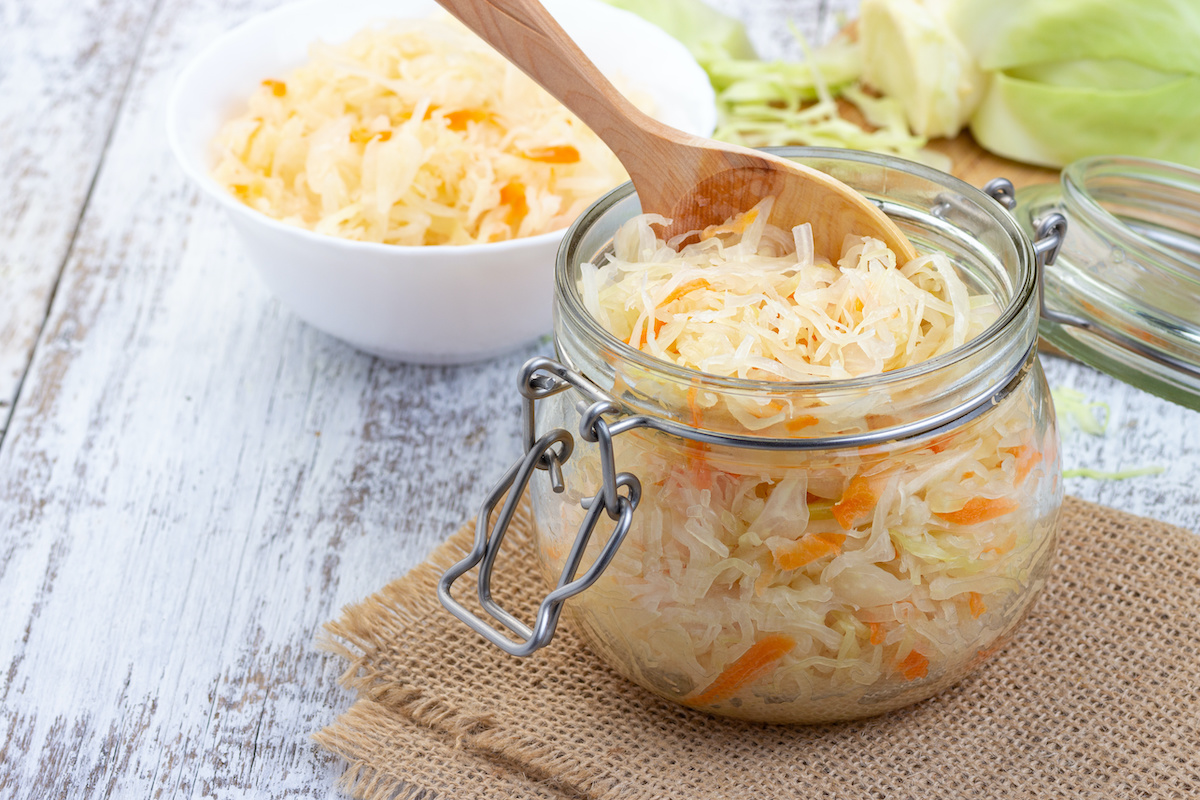
You do not need a special fermentation crock. You do not need weights. You do not need airlock lids. Here is what I tested and what broke.
Mason jars (winner)
Wide mouth quart jars work best. $12 for six jars. They seal tight enough for fermentation but let you burp them. I have used the same jars for three years.
Fermentation crocks (skip unless you make 10 pounds)
I bought a $60 crock. Used it twice. Too heavy. Too hard to clean. The water channel grew mold because I forgot to refill it.
Glass weights (skip – use a smaller jar)
I paid $15 for glass weights. Lost two down the drain. Now I use a small shot glass or a clean rock wrapped in plastic wrap. Works the same.
Airlock lids (skip for beginners)
These are fancy. You do not need them. A regular lid works fine. Just open it every day to release pressure.
You Must Also Like: 3 Must-Try Seafood Recipes for Every Occasion
Spend your money on good cabbage and good salt. Not on gadgets.
Easy Homemade Kimchi and Sauerkraut: Two Recipes Side by Side
Let me give you both recipes in one place. These are my tested versions after 30+ batches.
Sauerkraut (3 ingredients, 5 minutes active time)
Ingredients:
-
1 medium green cabbage (about 2 pounds)
-
1 tablespoon sea salt (no iodine)
-
1 teaspoon caraway seeds (optional)
Steps:
-
Remove outer leaves. Cut cabbage in half. Remove core.
-
Shred into thin strips. As thin as you can.
-
Put in a big bowl. Add salt.
-
Squeeze for 5 minutes. Hard squeeze. The cabbage releases water.
-
Pack into a clean jar. Push down hard. The liquid should cover the cabbage.
-
Put a lid on loosely. Let it sit at room temperature.
Fermentation time: 5 to 7 days. Taste after day 5. Sour enough? Move to fridge.
Kimchi (Korean style, tested for beginners)
Ingredients:
-
1 napa cabbage (about 2 pounds)
-
1/4 cup sea salt
-
2 cups water
-
5 cloves garlic, minced
-
1 inch ginger, grated
-
2 tablespoons fish sauce (or soy sauce for vegan)
-
3 tablespoons gochugaru (Korean red pepper flakes)
-
4 green onions, chopped
-
1 small carrot, shredded
Steps:
-
Cut cabbage into 2-inch pieces.
-
Mix salt and water in a bowl. Add cabbage. Let sit 2 hours. Turn once.
-
Rinse cabbage three times. Taste it. Should be salty but not painful.
-
Squeeze out water. Use your hands. Hard squeeze.
-
Make paste: garlic, ginger, fish sauce, gochugaru. Mix well.
-
Add green onions and carrot to paste.
-
Mix paste with cabbage. Wear gloves. The red stains your fingers.
-
Pack into a jar. Press down. Leave 1 inch of space at the top.
-
Close lid loosely. Let sit at room temperature.
Fermentation time: 2 to 3 days in summer. 4 to 5 days in winter. Then move to fridge.
Three Failures That Almost Made Me Quit
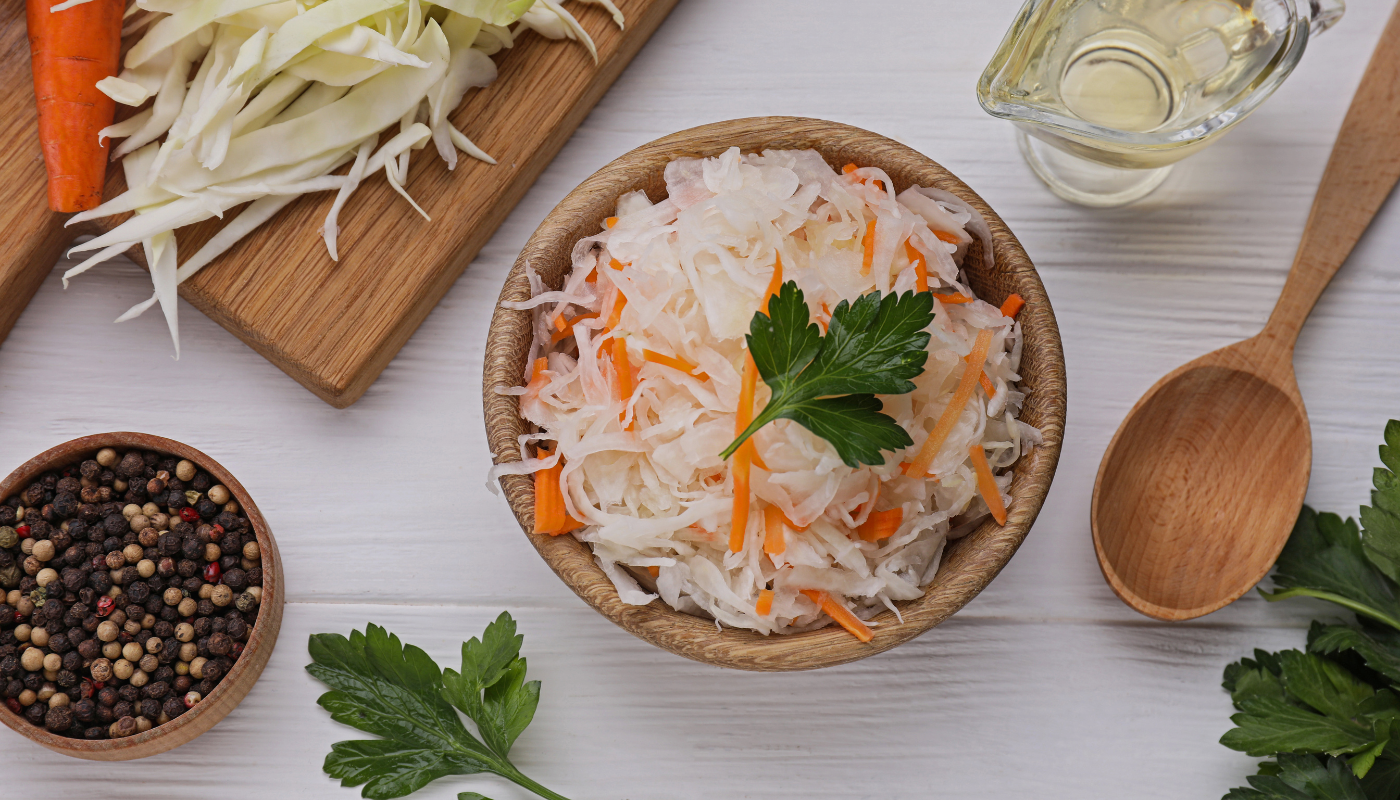
Failure 1 – Mold on top of sauerkraut
I did not push the cabbage down enough. Air touched the top pieces. Mold grew. The fix? Press harder. Also add a cabbage leaf on top to keep everything submerged.
Failure 2 – Kimchi turned mushy
I left it out for 7 days. Too long. The enzymes kept breaking down the cabbage. Now I taste at day 2. Move to fridge early. The fridge slows fermentation but does not stop it.
Failure 3 – No bubbles after 4 days
My kitchen was too cold (62°F). Bacteria need warmth. I moved the jar next to my water heater (72°F). Bubbles started the next day. Ideal temperature is 65°F to 75°F.
The Truth About Probiotics and Storage
Live bacteria need cold. Once you move your easy homemade kimchi and sauerkraut to the fridge, the bacteria slow down but stay alive for months. I tested a jar of sauerkraut at 3 months. Still active. Still sour. Still fizzy when I opened it.
Do not freeze your ferments. Ice crystals tear the cell walls. Bacteria die. You get mushy cabbage with no benefit. Do not heat your kimchi above 115°F. That kills the good bacteria. If you cook kimchi jjigae (stew), add the kimchi at the end. Not the beginning.
Best Time to Eat Kimchi for Gut Health
People ask me this all the time. Here are the specific scenarios.
For bloating: Eat 1 tablespoon before a heavy meal. The enzymes help break down other foods.
For constipation: Eat 2 tablespoons in the morning. Drink a glass of warm water after. Wait 30 minutes.
For acid reflux: Do not eat kimchi alone. Mix it into rice or noodles. The starch buffers the acid.
For weight management: Eat kimchi before carbs. The vinegar-like acids slow down sugar absorption. Small effect but real.
I tracked my own digestion for three months. Morning kimchi gave me the most consistent results. Nighttime kimchi disturbed my sleep because of the spice.
Kimchi Sauerkraut Recipe: My Hybrid Version
Some days I want both. I make a kimchi sauerkraut recipe that mixes the two styles.
Ingredients:
-
1 pound green cabbage
-
1 tablespoon salt
-
2 tablespoons gochugaru (half the normal amount)
-
3 garlic cloves
-
1 teaspoon ginger
Method: Follow the sauerkraut steps. Add the kimchi paste after squeezing the cabbage. Ferment for 4 days.
The result is a pink, spicy sauerkraut. Less intense than kimchi. More interesting than plain sauerkraut. My friends ask for this one the most.
When to Throw Away Your Ferment (Safety First)
I see people on YouTube eating ferments with black mold. Do not do that.
Throw away if:
-
You see black, green, or blue mold
-
The smell reminds you of vomit or rotten eggs
-
The texture turns slimy like mucus
-
The color changes to brown or grey
Safe to eat if:
-
White film on top (kahm yeast). Scrape it off. The stuff under is fine.
-
Bubbles forming. Good sign.
-
Sour smell like yogurt or pickles. Good sign.
-
Liquid turned cloudy. Normal.
When in doubt, throw it out. A $3 cabbage is not worth a stomach infection.
Quick Comparison Table: Kimchi vs Sauerkraut
| Factor | Kimchi | Sauerkraut |
|---|---|---|
| Time to make | 2-5 days | 5-7 days |
| Spice level | Medium to hot | Zero (unless you add spices) |
| Cost per batch | $5 | $2 |
| Shelf life | 3 months | 6 months (more acidic) |
| Best for | Spice lovers, Korean cooking | Sandwiches, sausages, beginners |
| Bacteria types | More diverse (leuconostoc, lactobacillus) | Mostly lactobacillus |
My Weekly Fermentation Routine (15 Minutes Total)
Sunday night is my jar night.
I check all my active jars. Taste each one. Move ready ones to the fridge. Start one new jar. The new jar takes 10 minutes. Chop cabbage. Add salt. Squeeze. Pack. Label with date.
I use masking tape and a marker. Write the date and type. "KRAUT 5% salt 3/15" or "KIMCHI reg spice 3/15". This system stopped me from forgetting how old each jar is. Before the labels, I had a six-month jar of kimchi that tasted like battery acid.
Who Should Not Make Ferments at Home?
Honest advice for three groups:
People with histamine intolerance: Fermented foods are high in histamine. Start with one teaspoon. See how you feel. Some people get headaches or rashes.
People on immunosuppressants: Ask your doctor first. Live bacteria can cause infections in rare cases.
People who hate sour foods: Do not force yourself. Ferments are sour. That is the point. If you dislike pickles or yogurt, you will dislike kimchi and sauerkraut.
Everyone else? Start this week. Buy one cabbage and one jar.