How to Make the Best Homemade Fresh Tomato Sauce Recipe (In Under 30 Mins!)?
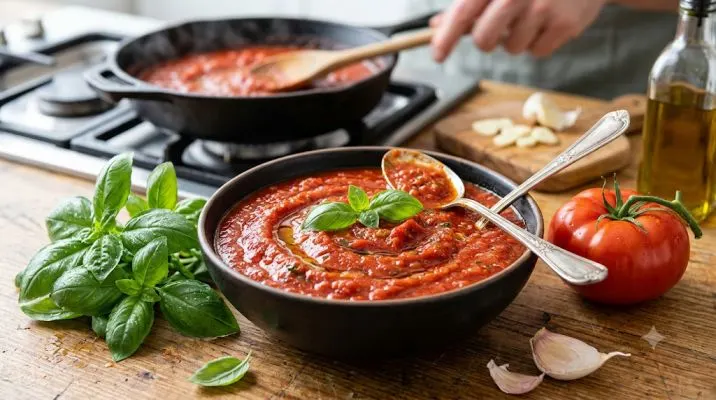
I stopped buying jarred tomato sauce three summers ago. The reason was simple: a friend handed me a paper bag of Roma tomatoes from her garden and said, "Make this. It takes less time than driving to the store."
She was right. The homemade fresh tomato sauce recipe I use now comes together in under thirty minutes, start to finish. It tastes brighter, sweeter, and more alive than anything from a shelf.
And it costs less than a single premium jar. This is the method I have refined through dozens of batches, including the mistakes that taught me what not to do.
The Tomatoes You Choose Decide Everything
Not all tomatoes make good sauce. This is the first lesson I learned the hard way.
Read Also: Metabolism-Boosting Protein Smoothie Recipes for Sustainable Weight Loss
Roma and plum tomatoes are the workhorses. They have thick, meaty flesh, low water content, and few seeds . That means less simmering time and a naturally thicker sauce.
San Marzano tomatoes are the gold standard if you can find them. They are sweeter and less acidic than generic Romas.
Beefsteak tomatoes are juicy and flavorful. They are also watery and full of seeds. I tried making sauce with them once. I simmered for forty-five minutes and still ended up with something closer to soup than sauce. Save those for salads or sandwiches.
If you are using cherry or grape tomatoes, the rules change. They are sweet and rich, and they break down fast. A skillet sauce with cherry tomatoes can be ready in fifteen minutes. It is a different sauce, but it works beautifully.
The Peeling Question (And Why I Usually Skip It)
Most recipes tell you to blanch and peel the tomatoes. The reasoning is sound. Tomato skins turn tough when cooked. They can add bitterness. The seeds add grittiness.
Here is my honest take. For a smooth, elegant sauce, peel them. For a rustic weeknight sauce, leave the skins on and blend the finished sauce with an immersion blender. The blender breaks down the skins. You save ten minutes and a pot of boiling water.
If you do want to peel, the method is simple. Score a shallow "X" on the bottom of each tomato. Drop them in boiling water for one to two minutes, until the skin starts to split. Transfer them to ice water. The skins slip right off.
The 30-Minute Method That Actually Works
Here is the recipe I make most often. It serves four and takes about twenty-five minutes.
You Must Also Like: Authentic Jamaican Curry Recipe Spicy & Flavorful Dish
What you need:
-
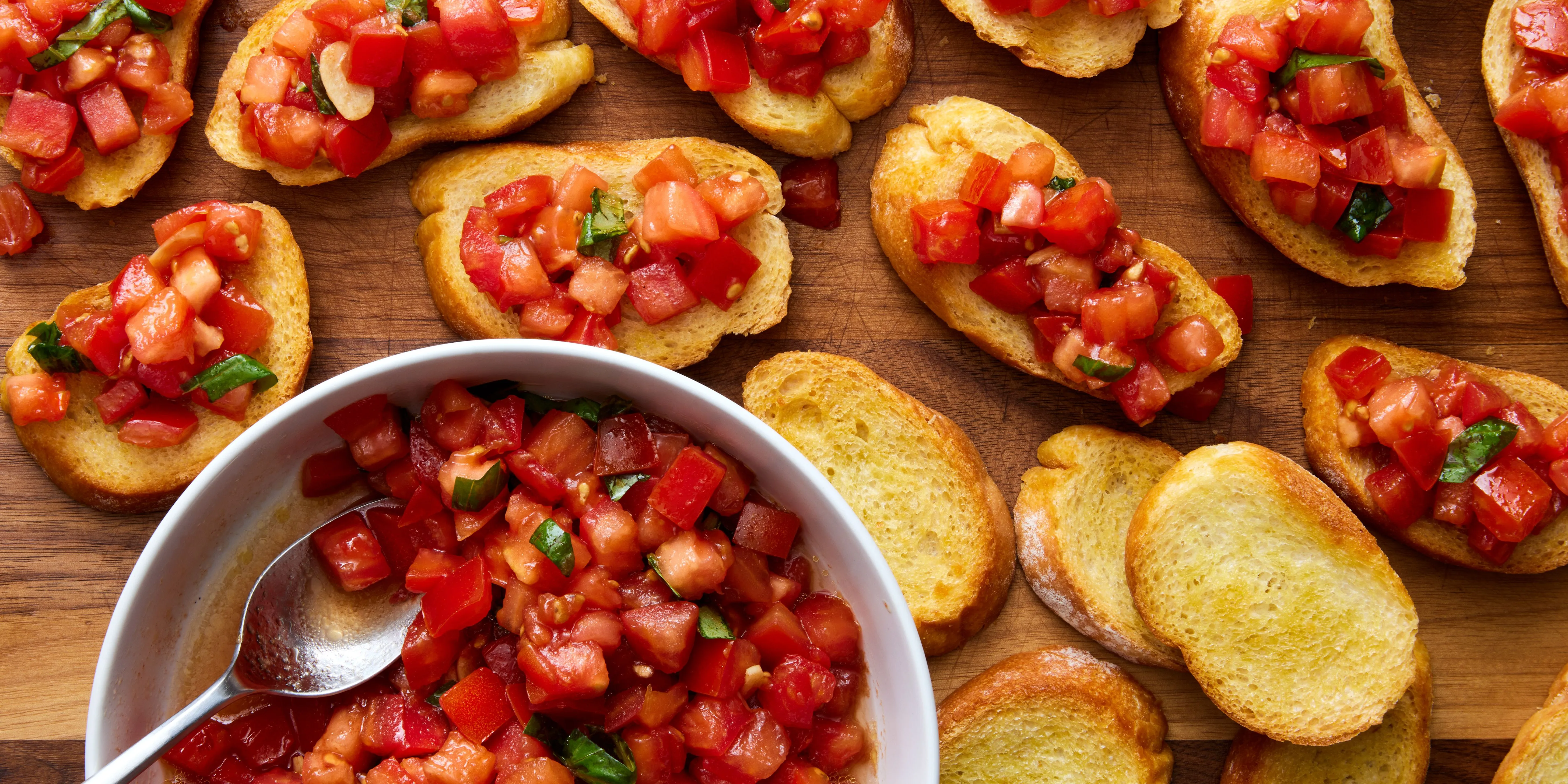
2 pounds ripe Roma tomatoes, roughly chopped (peeled if you prefer)
-
2 tablespoons olive oil
-
1 small onion, finely chopped
-
3 cloves garlic, thinly sliced
-
1/2 teaspoon salt
-
1/4 teaspoon black pepper
-
1/2 cup fresh basil leaves, torn
-
1 tablespoon cold butter (optional, but recommended)
-
1/2 teaspoon sugar (only if your tomatoes taste sharp)
What you do:
Heat the olive oil in a saucepan over medium heat. Add the onion. Cook it slowly for five to seven minutes, until it softens and turns lightly golden. Do not rush this step. The onion builds the sweet foundation of the sauce.
Add the garlic. Cook for sixty seconds, until fragrant. Do not let it brown. Burnt garlic makes the whole sauce bitter, and there is no fixing it.
Add the tomatoes, salt, and pepper. Stir. Bring to a simmer. Reduce the heat to medium-low and cook uncovered for fifteen to twenty minutes, stirring occasionally. The tomatoes will break down and the sauce will thicken.
Taste the sauce. If it tastes sharp or acidic, stir in the sugar. If it tastes flat, add a pinch more salt.
Remove from heat. Stir in the basil and the cold butter. The butter is not optional in my kitchen. It emulsifies the sauce, bringing the oil and tomato water together into something velvety and cohesive . Keep stirring until it melts.
The Mistakes That Ruined My Early Batches
Adding basil too early. I used to dump the basil in at the start. The sauce tasted dull and slightly bitter. Fresh basil loses its aromatic oils when cooked for a long time. Add it at the end, off the heat.
Rushing the onion. A pale, rushed onion gives you a thin sauce. A slow, golden onion gives you sweetness. The difference is five extra minutes.
Using the wrong tomatoes. I already mentioned Beefsteaks. But even Romas can be disappointing if they are underripe. Look for deep red color and a slight give when you squeeze them. Hard tomatoes make bland sauce.
Skipping the pasta water. When I toss the sauce with pasta, I add a splash of the starchy cooking water. It loosens the sauce and helps it cling to the noodles. Without it, the sauce sits on top instead of coating.
How This Compares to Jamie Oliver's Approach?
I checked Jamie Oliver's recipes because people search for his name constantly. His classic tomato spaghetti uses fresh tomatoes, onion, garlic, basil, and a splash of red wine vinegar.
It simmers for about fifteen minutes after the tomatoes go in . That is close to my method. The vinegar is a smart addition. It adds brightness without the sugar.
His speedy salsa spaghetti is a different beast entirely. It uses raw tomatoes, olives, capers, and garlic, tossed with hot pasta and Parmesan. No cooking of the sauce at all . That is a fifteen-minute summer dish, not a simmered sauce. Both work. They serve different moods.
What I Do With the Leftovers?
This sauce keeps in the fridge for four days. It freezes for three months . I freeze it in half-cup portions. On a Wednesday night when I have no plan, I defrost one, boil pasta, and dinner is done in twelve minutes.
The sauce also works as a pizza base, a poaching liquid for eggs, or a simmer sauce for chicken thighs. It is a foundation, not a finished dish.
The Quick tomato sauce from fresh tomatoes method is not complicated. It is tomatoes, onion, garlic, olive oil, and basil. The technique is in the order and the timing. Cook the onion slowly. Add the garlic last. Save the basil for the end. Taste as you go. That is the whole secret.